
Looking for an honest assessment of evolutionelectricsolar.com reviews? In short, the company offers solid solar installations but has mixed customer experiences around scheduling and post‑install support.
Key Takeaways
- Installation quality is generally praised.
- Pricing is competitive but can vary by region.
- Customer service response times are a frequent complaint.
- Check local licensing and warranty details before signing.

What the Reviews Say About Installation Quality
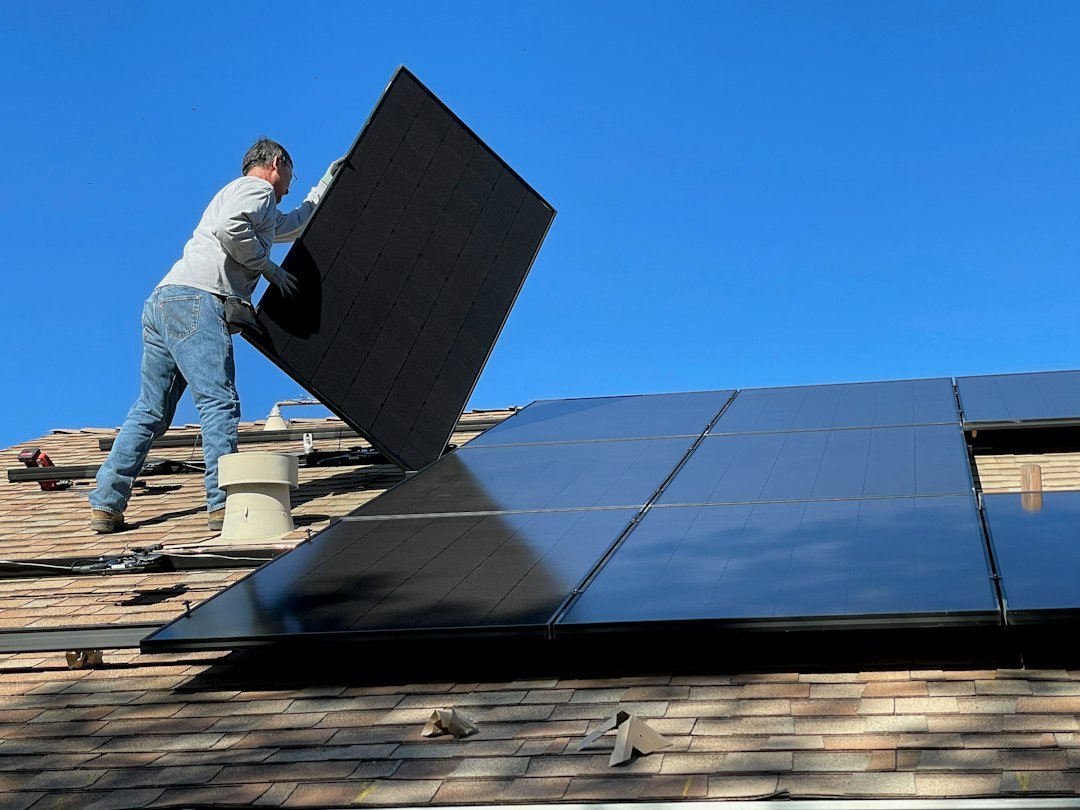
Most reviewers mention that the installers arrive on time and complete the work efficiently. Photographs posted on the company’s testimonial page show clean roof work and neatly routed wiring. This consistency suggests that the technical crew follows standard industry practices.
Pricing Structure and How It Compares
Pricing is often highlighted as “reasonable” compared with other local providers. Reviewers note that the initial quote includes a detailed breakdown of equipment, labor, and permits, which helps avoid hidden fees. However, a few customers report that final invoices were higher due to optional upgrades they didn’t request.
Customer Service: Common Praise and Complaints
Customer service receives the most varied feedback. Positive comments focus on friendly sales reps who explain financing options clearly. Negative remarks usually involve delayed responses after installation, especially when troubleshooting inverter issues. This pattern aligns with the Yelp page that lists several recent complaints about follow‑up support.
Warranty and After‑Sales Support
The company offers a standard 10‑year performance warranty on panels and a 5‑year labor warranty. Reviewers who have filed warranty claims describe the process as straightforward, but a handful mention paperwork delays. It’s wise to keep all documentation and follow up promptly if a problem arises.
Red Flags Mentioned in Reviews
Several reviewers point out that the scheduling window can shift by weeks, which may be problematic for time‑sensitive projects. One external source labels the site as a potential scam, but the article mainly focuses on unrelated phishing attempts and does not provide concrete evidence of fraud. Treat such claims with caution and verify the company’s licensing through your state’s solar contractor registry.
How to Verify a Solar Installer’s Credibility
Before committing, use this checklist:
- Confirm the contractor’s license number on the state website.
- Ask for references from recent installations.
- Review the written warranty and understand what it covers.
- Check the Better Business Bureau rating and any local consumer protection filings.
Comparing Evolution Electric & Solar with Other Local Providers
When stacked against nearby firms, Evolution Electric & Solar often scores higher on equipment quality but lower on post‑install communication. A side‑by‑side table can help visualize the trade‑offs.
| Aspect | Evolution Electric & Solar | Typical Competitor |
|---|---|---|
| Installation Quality | High | Medium‑High |
| Pricing | Competitive | Similar |
| Customer Service | Mixed | Generally Faster |
| Warranty | 10‑yr panels, 5‑yr labor | Varies |
When Evolution Electric & Solar Might Be a Good Fit
If you prioritize equipment quality and are comfortable handling minor follow‑up calls yourself, the company can be a solid choice. Homeowners in Escondido who value local expertise often appreciate the company’s familiarity with municipal permitting processes.
When to Consider Alternative Providers
If you need a hands‑off experience with rapid post‑install support, look for firms that score consistently high on customer service metrics. Larger regional installers may offer dedicated service teams that can reduce response times.
How to Get the Most Out of Your Solar Project
Regardless of the installer, follow these steps to maximize ROI:
- Conduct a thorough site assessment for shading.
- Choose panels with a proven performance record.
- Negotiate a clear timeline and written penalties for delays.
- Monitor system output in the first six months to catch early issues.
For more tips on evaluating tech‑related services, you might find the GrammarVista review helpful, as it outlines a similar decision‑making framework.

Legal and Safety Considerations
Solar installations involve electrical work that must meet local codes. If you’re unsure about any aspect, consult a licensed electrician or a solar consultant. This precaution helps avoid potential liability and ensures the system passes inspection.
Next Steps After Reading This Review
1. Reach out to Evolution Electric & Solar for a written quote.
2. Verify the license number on the state portal.
3. Request at least two recent customer references.
4. Compare the quote with at least one other local provider.
5. Make a decision based on the checklist above.
Step‑by‑Step Guide to Evaluating a Solar Quote from Evolution Electric & Solar
When you receive a proposal, break it down into clear parts so you can compare apples‑to‑apples with other offers. Follow these five steps before you sign anything.
1. List Every Component of the Offer
- System size – measured in kilowatts (kW). Confirm the expected production based on your roof orientation.
- Equipment brands – panels, inverters, mounting hardware. Note whether they are listed as premium (e.g., SunPower) or mid‑range (e.g., Canadian Solar).
- Monitoring package – is a web portal or app included, or is it an add‑on?
- Warranty coverage – length of product warranty vs. workmanship warranty.
- Financing options – cash purchase, loan, lease, or power‑purchase agreement (PPA).
li>Installation labor – does the price include permitting, electrical work, and roof‑penetration sealing?
2. Convert the Total Cost to a Per‑Watt Figure
Divide the quoted price (excluding any down‑payment incentives) by the system size. A typical residential install in 2026 ranges from $2.50 to $4.00 per watt after federal tax credit. If Evolution’s figure is significantly higher, ask what premium features justify the gap.
3. Check for Hidden Fees
- Permit processing fees that are billed separately.
- Utility interconnection fees that the installer may pass on.
- Site‑specific costs such as roof reinforcement or tree removal.
Ask for a line‑item breakdown; a transparent quote will list each of these explicitly.
4. Run a Simple Payback Calculation
Use the following formula:
Payback (years) = Net Install Cost ÷ Annual Savings
Net Install Cost = Total price – any rebates – estimated tax credit.
Annual Savings = Expected yearly electricity production × your utility’s kWh rate.
If the result is well over 10 years, the system may not be financially optimal for your situation.
5. Compare Against At Least Two Other Local Installers
Gather quotes from other reputable companies in your area. Place them side‑by‑side in a spreadsheet, matching the columns you created in step 1. Look for patterns – for example, if three installers list a $0.10/kWh monitoring fee and Evolution does not, that could be a cost‑saving advantage.
By following this checklist, you turn a dense PDF into actionable data, making it easier to spot whether Evolution Electric & Solar’s proposal truly offers value.
Common Pitfalls When Planning a Residential Solar Project and How to Avoid Them
Even with a solid quote, many homeowners stumble over avoidable mistakes that can erode savings or cause delays. Below are the most frequent issues and practical ways to sidestep them.
Under‑estimating Roof Suitability
- Shade analysis – Use a free online tool (e.g., Google Project Sunroof) to map shading throughout the year. If more than 20 % of the roof is shaded during peak sun hours, the system’s output will drop noticeably.
- Roof age and material – Installing panels on a roof that needs replacement within five years adds future cost. Ask the installer to inspect the roof’s condition and provide a recommendation.
Skipping the Permit Review Process
Some jurisdictions require a separate building permit in addition to the electrical permit. Failure to secure both can halt the project after equipment has arrived, leading to storage fees or even a need to reorder components. Request a copy of the local permitting checklist before signing the contract.
Ignoring the Impact of Future Energy Use Changes
If you plan to add an electric vehicle, a home office, or a larger HVAC system, your electricity consumption will rise. Size the system with a modest buffer (5‑10 % extra) to accommodate such changes without needing a costly expansion later.
Choosing the Lowest‑Cost Installer Without Verifying Quality
Cheaper bids often cut corners on mounting hardware or use less‑experienced crews. Verify that the installer is a certified member of the North American Board of Certified Energy Practitioners (NABCEP) and that they follow the manufacturer’s recommended installation practices.
Overlooking Maintenance Requirements
- Panel cleaning – In dusty regions, panels may need cleaning once or twice a year to maintain efficiency.
- Inverter monitoring – Set up alerts for performance drops; many inverters will warn you of issues before they become costly failures.
Ask the installer to include a maintenance schedule in the contract, or at least a recommended checklist.
Failing to Secure Adequate Financing Terms
Even if a cash purchase looks cheap, a low‑interest loan can improve cash flow and preserve savings for emergencies. Compare the annual percentage rate (APR) of any loan offered by Evolution Electric & Solar against local banks or credit unions.
Neglecting to Review the Warranty Fine Print
Product warranties typically cover 10–25 years, but workmanship warranties may be shorter (often 5 years). Ensure the contract spells out who is responsible for defects in mounting hardware versus panel performance.
By anticipating these pitfalls and taking the outlined preventive steps, you can keep your solar project on schedule, within budget, and delivering the expected energy savings.
FAQ
Are the reviews for evolutionelectricsolar.com reliable?
Most reviews are posted on reputable platforms like Yelp and the company’s own testimonial page, which adds credibility. However, always cross‑check with independent sources.
What warranty does Evolution Electric & Solar provide?
They offer a 10‑year performance warranty on solar panels and a 5‑year labor warranty for installation work.
How can I avoid the common scheduling delays mentioned in reviews?
Ask for a detailed project timeline in the contract and include a clause that outlines penalties or compensation for missed deadlines.