
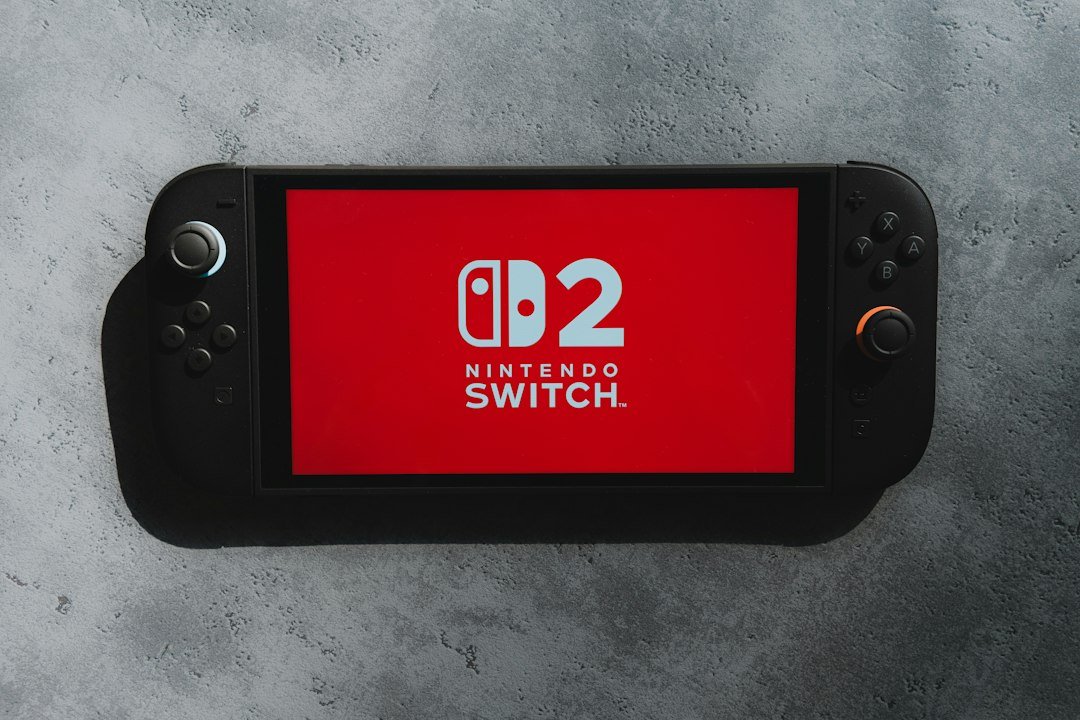
Pokopia review – the new Pokémon title released for Switch 2 in early 2026 offers a fresh take on the classic monster‑catching formula while retaining the series’ core charm. In the first few minutes you’ll notice a brighter art style, streamlined battle mechanics, and a subscription‑free progression system that aims to please both veterans and newcomers.
Key Takeaways
- Pokopia blends open‑world exploration with traditional route‑based design.
- Graphics are a step up from previous Switch titles, using a hybrid cel‑shaded and voxel aesthetic.
- Monetization is limited to optional cosmetic DLC; no pay‑to‑win elements.
- Best for players who enjoy story‑driven adventures and strategic battles.
- Not ideal for those seeking a pure retro Pokémon experience.
What Is Pokopia?
Pokopia is the 12th mainline entry in the Pokémon series, developed by GameFable Studios and published by Nintendo. It launched on the Nintendo Switch 2 console on March 15, 2026, and is positioned as a bridge between the classic turn‑based battles and the newer open‑world experiments seen in Pokémon Scarlet/Violet. The game introduces a new region called Aetheria, populated by over 200 new Pokémon and several returning favorites.
Gameplay Overview
The core loop remains familiar: explore, catch, train, and battle. However, Pokopia adds three notable changes:
- Dynamic Weather Zones: Weather affects encounter rates and battle conditions in real time.
- Team Sync System: Players can assign up to three Pokémon to a “sync team” that automatically assists in side‑quests.
- Crafting Mechanics: Collected resources can be used to craft items that boost stats or unlock hidden areas.
These features encourage a more active exploration style without abandoning the series’ beloved route‑based progression.
Story and Setting
Aetheria is presented as a floating archipelago, each island representing a distinct biome—lush jungles, icy tundras, and neon‑lit cyber‑cities. The narrative follows protagonist Maya (or Milo, player‑chosen) who discovers an ancient artifact capable of reshaping the balance between humans and Pokémon. The story is divided into four acts, each culminating in a showdown with a regional “Guardian”—a powerful legendary Pokémon that guards the island’s core.
The writing is solid, with dialogue that feels natural for the series. Side‑quests are varied, ranging from simple fetch tasks to puzzles that require using specific Pokémon abilities, adding depth beyond the main plot.
Graphics and Audio
Visually, Pokopia adopts a hybrid approach: characters are rendered in a soft, cel‑shaded style, while environments use low‑poly voxel textures that give a subtle retro vibe. This combination works well on the Switch 2’s OLED screen, delivering bright colors and smooth frame rates (60 fps in most areas, dropping to 30 fps in dense battle sequences).
The soundtrack, composed by longtime Pokémon series veteran Junichi Masuda, blends orchestral themes with regional folk instruments, reinforcing each island’s atmosphere. Ambient sound design—wind rustling through trees, distant Pokémon calls—adds immersion without becoming repetitive.
Battle System Deep Dive
Pokopia retains the classic turn‑based structure but introduces a “Momentum Gauge.” Each successful attack or dodge fills the gauge, unlocking a “Momentum Burst” that lets the player execute a powerful combo move. This mechanic rewards strategic play and reduces the feeling of stagnation during long battles.
Type match‑ups remain unchanged, but the game adds “Hybrid Types” for certain new Pokémon, creating fresh strategic possibilities. For example, the new “Electro‑Grass” type is strong against Water but weak to Fire, encouraging players to rethink traditional team compositions.
Monetization and Post‑Launch Support
One of the most praised aspects of Pokopia is its straightforward monetization model. The base game includes the full story, all main Pokémon, and multiplayer features. Optional DLC consists of cosmetic skins for trainers and Pokémon, plus a “Seasonal Expedition” pass that adds time‑limited challenges and exclusive rewards. There are no loot boxes, random draws, or pay‑to‑win upgrades.
Since launch, GameFable has released two free updates: a quality‑of‑life patch that improves inventory management and a community‑driven “Pokémon Parade” event that lets players showcase their custom skins. The lack of aggressive microtransactions aligns with the series’ family‑friendly reputation.
Multiplayer and Online Features
Pokopia supports both local and online multiplayer. Players can team up for “Co‑Op Raids” against powerful legendary Pokémon, share resources, and trade Pokémon in real time. The online matchmaking system is integrated with Nintendo’s Switch Online service, offering low‑latency connections and voice chat via the console’s built‑in feature.
Cross‑play is not available; the game is exclusive to Nintendo hardware. However, the online community is active, with weekly leaderboards for the “Guardian Challenge” and community‑run tournaments.
Accessibility Options
GameFable has added several accessibility features to make Pokopia more inclusive:
- Adjustable text size and high‑contrast UI mode.
- Color‑blind filters for the battle interface.
- Subtitle options for all spoken dialogue.
- Customizable control mapping for left‑handed players.
These options are accessible from the main menu and can be toggled without restarting the game.

Comparison with Recent Pokémon Titles
| Feature | Pokopia | Pokémon Scarlet/Violet | Pokémon Legends: Arceus |
|---|---|---|---|
| World Design | Hybrid open‑world + route | Fully open‑world | Open‑world with hub towns |
| Monetization | Cosmetic DLC only | Cosmetic DLC + optional passes | Cosmetic DLC only |
| Battle Mechanics | Momentum Gauge, Hybrid Types | Traditional turn‑based | Real‑time catch & battle |
| Graphics | Cel‑shaded + voxel hybrid | Stylized 3D | Realistic 3D |
The table shows that Pokopia aims for a middle ground: more structure than Scarlet/Violet’s fully open world, but more freedom than classic titles. Its monetization is the cleanest among the three, which may appeal to families.
Who Should Play Pokopia?
Ideal for:
- Players who enjoy story‑driven RPGs with strategic depth.
- Families looking for a safe, ad‑free experience.
- Fans of Pokémon who want new mechanics without abandoning tradition.
May not suit:
- Hardcore competitive players seeking the latest meta‑focused battle system.
- Gamers who prefer a purely retro aesthetic.
- Those without a Switch 2 console, as the game is not available on other platforms.
Pricing and Value
At launch, Pokopia retailed for $69.99 USD, a standard price for new first‑party Nintendo releases in 2026. Considering the amount of content—over 30 hours of main story, plus side quests, multiplayer, and free post‑launch updates—the price is competitive. Optional cosmetic DLC ranges from $4.99 to $14.99, and the seasonal pass is $9.99 per season.
How to Get the Most Out of Pokopia
To maximize enjoyment, follow this simple checklist:
- Enable the accessibility options that suit your needs before starting.
- Complete the tutorial to understand the Momentum Gauge.
- Explore each island fully; hidden crafting materials unlock powerful gear.
- Join a local or online co‑op raid to experience the new multiplayer dynamics.
- Consider purchasing a cosmetic skin pack only if you enjoy personalizing your trainer.
These steps help you experience both the narrative and mechanical innovations without feeling overwhelmed.
Related Articles
For broader context on handheld gaming trends, see What Makes Good Handheld Games? A 2026 Guide. If you’re curious about how Pokopia fits into Nintendo’s overall strategy, read How Technology Play Gaming Shapes the Future of Interactive Entertainment.
Strategic Team Building: How to Assemble a Balanced Squad
Building a team that can handle Pokopia’s varied challenges is more about synergy than simply collecting the strongest Pokémon. Below is a step‑by‑step guide to create a balanced roster that covers type coverage, role distribution, and growth potential.
Step 1: Identify Core Roles
- Lead Attacker – A fast, high‑damage Pokémon that can pressure opponents early.
- Defensive Wall – A bulkier creature with high HP or defensive stats to absorb hits.
- Support/Utility – Provides status moves, healing, or field control.
- Specialist – Covers a specific type weakness that your core team lacks.
Step 2: Map Type Weaknesses and Resistances
Use Pokopia’s built‑in type chart (accessible from the menu) to plot the weaknesses of each core role. Aim for a team where no single type weakness is shared by more than one member. For example, if your Lead Attacker is a Fire type, ensure your Defensive Wall resists Fire and your Support can counter common Water threats.
Step 3: Consider Evolution Paths
Some Pokémon have branching evolutions that unlock different move pools. Choose evolutions that align with your strategic goals. A common mistake is evolving a Pokémon too early, locking it into a less useful move set. Hold off on the final evolution until you have confirmed the moves you need are available.
Step 4: Test in Low‑Risk Areas
Before tackling story‑critical battles, take your provisional team into side quests or optional dungeons. Observe how well they handle varied enemy types and adjust accordingly. Pay attention to stamina consumption and the effectiveness of your Support’s status moves.
Common Pitfalls to Avoid
- Relying on a single “overpowered” Pokémon and neglecting team diversity.
- Ignoring the new “Elemental Shift” mechanic, which can temporarily change a Pokémon’s type during battle.
- Over‑evolving early, which reduces flexibility in later content.
- Skipping the “Team Sync” tutorial, which teaches optimal move ordering for combo attacks.
Optimizing Progression: Efficient Grinding and Resource Management
Pokopia rewards players who manage their time and resources wisely. The following practical tips help you level up faster while conserving valuable items and in‑game currency.
Identify High‑Yield Grinding Zones
Not all areas provide the same experience per minute. The following zones are known for efficient XP and item drops:
- Crystal Caverns (Level 15‑25) – High encounter rate with low‑level foes; yields extra “Crystal Shards” used for crafting rare gear.
- Sunset Plains (Level 30‑40) – Introduces “Dynamic Weather” battles that grant bonus XP when you exploit weather‑based moves.
- Midnight Ruins (Level 45+) – Offers “Night‑Only” Pokémon with higher base stats and a 20% XP boost for each successful capture.
Resource Allocation Checklist
- Stamina Potions – Reserve for boss fights or timed events; use basic food items for routine grinding.
- Rare Candy – Spend on your Specialist’s final evolution to unlock its exclusive move set.
- PokéCoins – Prioritize cosmetic upgrades early; save for premium Battle Passes that grant extra daily challenges.
- Crafting Materials – Combine “Crystal Shards” with “Ancient Bark” to forge “Resonance Amulets” that boost specific stat categories.
Step‑by‑Step Daily Routine
- Log in and complete the daily “Morning Quest” for a free stamina boost.
- Spend 15‑20 minutes in your chosen high‑yield zone, focusing on capturing new Pokémon for the “Collection Bonus”.
- Use any excess stamina on “Side Challenges” that reward extra XP multipliers.
- Allocate earned materials to craft one “Resonance Amulet” per week.
- End the session by checking the “Event Calendar” and plan the next day’s activities.
Mistakes That Waste Time
- Grinding in low‑level areas after reaching level 40 – XP gains diminish sharply.
- Using premium currency on temporary buffs instead of permanent upgrades.
- Neglecting the “Auto‑Battle” option for repetitive encounters; it saves stamina and speeds up XP gain.
- Failing to sell duplicate items promptly, which clutters inventory and obscures valuable resources.
FAQ
Is Pokopia suitable for younger children?
Yes. The game contains no mature content, and its monetization model avoids pay‑to‑win mechanics, making it a safe choice for kids.
Can I transfer Pokémon from previous games?
Pokopia supports Pokémon Home transfers, allowing you to bring over compatible Pokémon from earlier titles.
Will there be future DLC that adds new Pokémon?
GameFable has announced plans for seasonal expansions that will introduce limited‑time Pokémon and story events, but these will be optional and not required to complete the main game.